


FAQs For DMX Interface
What is a DMX translator/protocol converter used for?
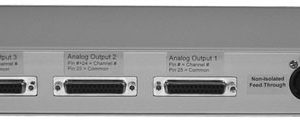
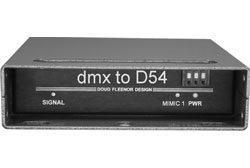
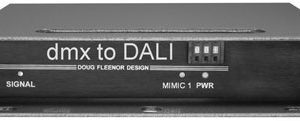
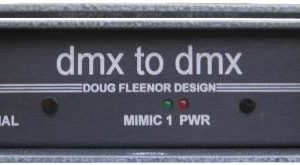
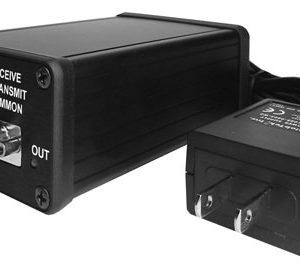
A DMX translator converts standard DMX512 control signals into a different protocol — such as 0-10V analog, AMX192, D54, or DALI — so modern lighting consoles can communicate with older or non-DMX dimming and control equipment. It’s the bridge that lets you run a new console on a legacy dimming system, or vice versa.
How do I know which DMX converter I need for my dimming system (analog, AMX, D54, DALI, etc.)?
Check the protocol your existing dimmers or fixtures accept — it’s usually listed on the dimmer rack nameplate or in the manufacturer’s manual. If you’re not sure, our team can help you identify the correct converter based on your dimmer make/model and your console’s output protocol.
What’s the difference between a DMX-to-Ethernet interface and a standard DMX splitter?
A DMX splitter takes one DMX signal and duplicates it across multiple isolated outputs, still using standard DMX cabling. A DMX-to-Ethernet interface (using protocols like Art-Net or sACN) converts DMX into network data so it can travel over standard Ethernet cabling, which supports longer runs and higher channel counts over a single line.
Can DMX translators be used to integrate legacy dimming systems with modern DMX consoles?
Yes — that’s one of their most common applications. A protocol converter lets you keep an older analog or proprietary dimming system in place while upgrading to a current DMX or network-based console, avoiding a full rewire of your dimming infrastructure.
Do you offer technical support for selecting or troubleshooting a protocol converter?
Yes, our team can help identify the right converter for your system and troubleshoot integration issues — reach out to our lighting control specialists for guidance before or after purchase.